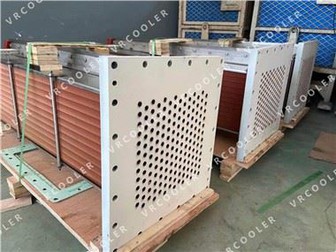
Several Generator Cooling Methods
Several Generator Cooling Methods
There are many different types of generators, from small portable ones that people use as a second source of power for their homes to enormous industrial ones that are the main power source for outlying oil drilling sites. The commonality across all generators is that they all produce heat, regardless of their size or purpose.
Why Need Generator Cooling?
The majority of generators contain a large number of conductors, and each one generates heat when current passes through it. In order to lower the danger of damage, that heat must be appropriately evacuated from the system where it can accumulate quickly.
The system will quickly suffer damage to the windings if heat is not effectively evacuated. Many concerns, such as clearing and balance challenges, may arise. Yet, a number of cooling technologies can considerably minimize this heat. The risk of any harm to the generator itself can be reduced by continually cooling the generator. In the end, this lessens frustration and averts the requirement for repairs.

System Cooled by Air
In light of the importance of cooling generators, it is crucial to comprehend how the best air-cooled systems operate. There are two primary cooling options for air-cooled systems.
Open-ventilated systems come first. Here, the air in the atmosphere is used with a form of exhaust system. This makes it possible to immediately release the air back into the atmosphere. The air is drawn in and then pushed back out into the surroundings.
An enclosed system is the second kind. As the name suggests, an enclosed system keeps the air stationary. The air is then circulated as a result. While it does so, the air is cooled, keeping the generator cold in turn.
Limitations of air-cooled systems include the potential for overheating. Air cooled systems, on the other hand, are often only used in small standby and portable generators that can generate up to 22 kilowatts of electricity each.
System Liquid-Cooled
Another choice is liquid-cooled systems, sometimes known as water-cooled systems. System types that use liquid cooling are numerous. Some use coolants, while others use oil to operate. Yet another cooling substance is hydrogen.
A water pump is part of a liquid-cooled system that circulates coolant via the engine's hoses. The device cools naturally as a result of the heat transfer from the generator to the coolant. Particularly with regard to larger generators, this kind of approach works well. To keep the generator cool, they need more robust components. Although the price does go up, this is still the most popular choice for industrial and commercial use.
The system with hydrogen cooling is an important choice. Large generators can also be powered by these. They have a high thermal conductivity due to the hydrogen they contain. This enables these systems to extract heat more quickly. They therefore function well for bigger systems that are unable to be effectively cooled using other coolants.